
Understanding the Fuel Crisis: Causes, Impacts, and Solutions

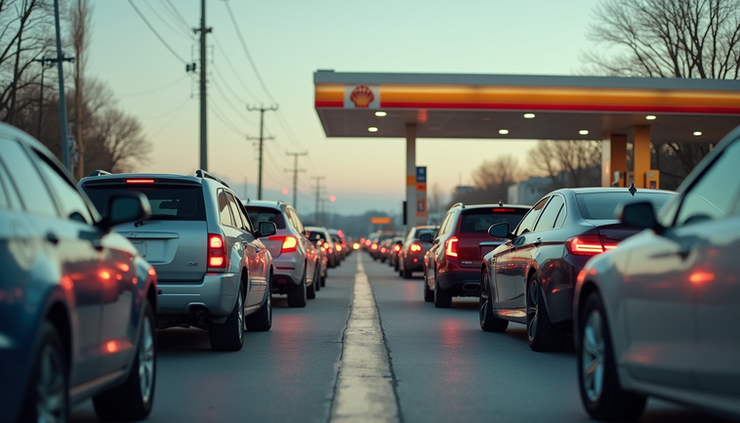
The world is facing a fuel crisis that affects daily life, economies, and the environment. Rising fuel prices and shortages have sparked concern across countries, industries, and households. This crisis is not just about running out of fuel; it reflects deeper challenges in how energy is produced, distributed, and consumed. Understanding the causes, impacts, and potential solutions can help us navigate this complex issue and work toward a more stable energy future.
What Causes the Fuel Crisis?
Several factors contribute to the current fuel crisis. These causes often overlap and intensify each other, making the situation more difficult to resolve.
Supply Chain Disruptions
Fuel production and distribution rely on complex global supply chains. Disruptions can occur due to:
Geopolitical conflicts: Wars and political tensions in oil-producing regions reduce supply and increase prices.
Natural disasters: Hurricanes, floods, or earthquakes can damage refineries and pipelines.
Pandemic effects: COVID-19 caused shutdowns and labor shortages, slowing down production and transport.
For example, the 2022 conflict in Eastern Europe led to sanctions on major oil exporters, cutting off supplies to many countries and driving prices up.
Increased Demand
Economic recovery after the pandemic has led to a surge in fuel demand. Industries, transportation, and households are consuming more fuel as activities resume. This sudden rise strains existing supplies.
Limited Refining Capacity
Refineries process crude oil into usable fuels like gasoline and diesel. Many refineries operate near full capacity, and some have closed due to environmental regulations or economic reasons. This limits the ability to increase fuel output quickly.
Market Speculation
Fuel prices are also influenced by financial markets. Speculators betting on future shortages can drive prices higher, creating a feedback loop that worsens the crisis.
How the Fuel Crisis Affects Society
The fuel crisis impacts various aspects of life, from individual budgets to global economies.
Rising Costs for Consumers
Fuel price increases hit consumers directly. Commuters pay more at the pump, and heating costs rise for households using oil or gas. This reduces disposable income and can lead to higher inflation as transportation costs affect the price of goods.
Impact on Businesses
Businesses that rely on transportation, such as logistics, agriculture, and manufacturing, face higher operating costs. These costs often pass to consumers, increasing the price of food, goods, and services.
Environmental Concerns
While the crisis highlights the need for alternative energy, some responses may harm the environment. For example, countries might increase coal use or relax environmental rules to boost fuel production, which can increase pollution and greenhouse gas emissions.
Social and Political Tensions
Fuel shortages and price hikes can lead to protests and unrest. Governments may face pressure to act quickly, sometimes with short-term fixes that do not address underlying problems.
Practical Solutions to the Fuel Crisis
Addressing the fuel crisis requires coordinated efforts across governments, industries, and individuals. Here are some practical steps that can help.
Diversify Energy Sources
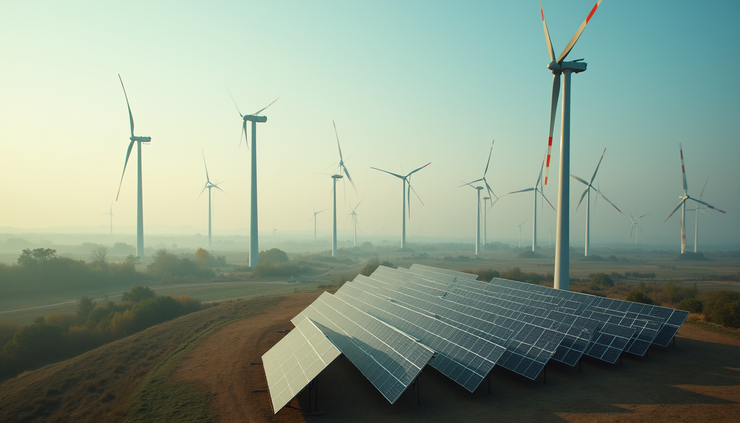
Reducing dependence on fossil fuels by investing in renewable energy like solar, wind, and biofuels can improve energy security. Countries that diversify their energy mix are less vulnerable to supply shocks.
Improve Energy Efficiency
Using fuel more efficiently lowers demand. This includes:
Promoting public transportation and carpooling
Encouraging electric vehicle adoption
Implementing stricter fuel economy standards for vehicles
Upgrading industrial processes to use less energy
Strengthen Supply Chains
Improving infrastructure and logistics can reduce disruptions. For example, building more resilient pipelines and storage facilities helps maintain steady fuel supplies during crises.
Strategic Reserves
Maintaining fuel reserves allows countries to buffer against sudden shortages. These reserves can be released to stabilize markets during emergencies.
Support Innovation
Investing in new technologies such as advanced biofuels, hydrogen fuel, and battery storage can create long-term solutions to fuel dependency.
What Individuals Can Do
While governments and industries play major roles, individuals can also contribute:
Use public transport or bike when possible
Drive fuel-efficient or electric vehicles
Reduce energy use at home by insulating and using energy-saving appliances
Support policies and companies focused on sustainable energy
Looking Ahead
The fuel crisis reveals the fragility of current energy systems and the urgent need for change. By understanding its causes and impacts, society can take informed steps toward solutions that balance economic needs, environmental protection, and social stability. Transitioning to cleaner energy and smarter consumption habits will not only ease the current crisis but also build resilience for the future.


